Deep Plane Facelift vs. Traditional SMAS: What Northern Virginia Patients Need to Know
- The Deep Plane technique operates beneath the SMAS muscle layer, releasing the four key facial retaining ligaments so the cheeks, nasolabial folds, and jowls lift together as a single composite unit.
- Zero lateral tension is placed on the outer skin, eliminating the 'pulled' look and allowing incisions hidden around the ear contour to heal as virtually imperceptible hairlines.
- Preserving the subdermal vascular plexus often results in less bruising and faster social recovery (typically 10–14 days) compared to multi-layer skin dissection.
When considering surgical facial rejuvenation, patients visiting our Fairfax practice from across Northern Virginia, McLean, and the Washington, DC metro area frequently ask a fundamental question: What is the real anatomical difference between a traditional SMAS facelift and an Extended Deep Plane Facelift?
While both procedures aim to address facial aging, the plane of dissection—and how the underlying structural tissues are mobilized—determines whether a result looks tightened or naturally restored.
Why Traditional Skin & Superficial SMAS Lifts Can Look 'Pulled'
Facial aging is not merely a surface skin problem; it is a three-dimensional descent of deep fat compartments and muscular support structures tethered by strong osteocutaneous ligaments. Traditional facelifts separate the skin from the underlying muscle layer and pull the superficial fascia (SMAS) Tight over still-tethered retaining ligaments.
Because the deep ligaments anchoring the midface and jowl are never released, pulling from the perimeter can flatten the cheek contour, create lateral sweep lines near the corners of the mouth, and stretch incisions under tension.
"True facial rejuvenation never relies on stretching skin. When you release the deep retaining ligaments in a natural anatomical glide plane, the cheeks, nasolabial folds, and jawline return effortlessly to where they were fifteen years ago." — Dr. Jae Kim, MD
The Extended Deep Plane Advantage
In an Extended Deep Plane Facelift, Dr. Jae Kim enters the natural embryological glide space beneath the SMAS and platysma muscle complex. Crucially, the skin and deeper muscle remain attached to one another as a unified composite flap, preserving rich blood supply to the skin surface.
- Direct Ligament Release: By carefully releasing the zygomatic, masseteric, and mandibular retaining ligaments under direct visualization, Dr. Kim frees the descended malar fat pad and jowl tissues completely.
- Vertical Vector Restoration: Rather than pulling horizontally toward the ears, the composite cheek and jawline tissues are elevated vertically along the natural vector of youth—restoring heart-shaped midface fullness and softening deep nasolabial folds without synthetic fillers.
- Deep Neck Contouring: When paired with deep subplatysmal neck sculpting, platysmal bands and submental fullness are corrected simultaneously for a continuous, crisp cervicomental angle.
Recovery Timeline & Natural Longevity
Because the skin is never separated broadly from its underlying blood supply and closes under zero mechanical tension, tissue healing is remarkably efficient:
- Days 1–5: Mild swelling peaks around day 3; patients rest comfortably at home with head elevation and no surgical drains in most cases.
- Days 7–10: Fine sutures are removed in our Fairfax suite; makeup can typically conceal residual pinkness.
- Days 10–14: Most patients return confidently to work, dining, and social engagements with a refreshed, unoperated appearance that ages gracefully for 10 to 15+ years.
Frequently Asked Clinical Questions
What is the ideal age for a Deep Plane Facelift?
Candidacy is based on anatomical laxity rather than chronological age. Most patients range from their mid-40s to their 70s who notice jowling, midface descent, or neck laxity that non-surgical tightening can no longer fully correct.
Will my scars be visible if I wear my hair up?
Dr. Kim utilizes trichophytic and retro-tragal incision geometry—following the natural curves inside the ear cartilage and along the hairline—so that once matured, incisions are virtually undetectable even with short hair or updos.
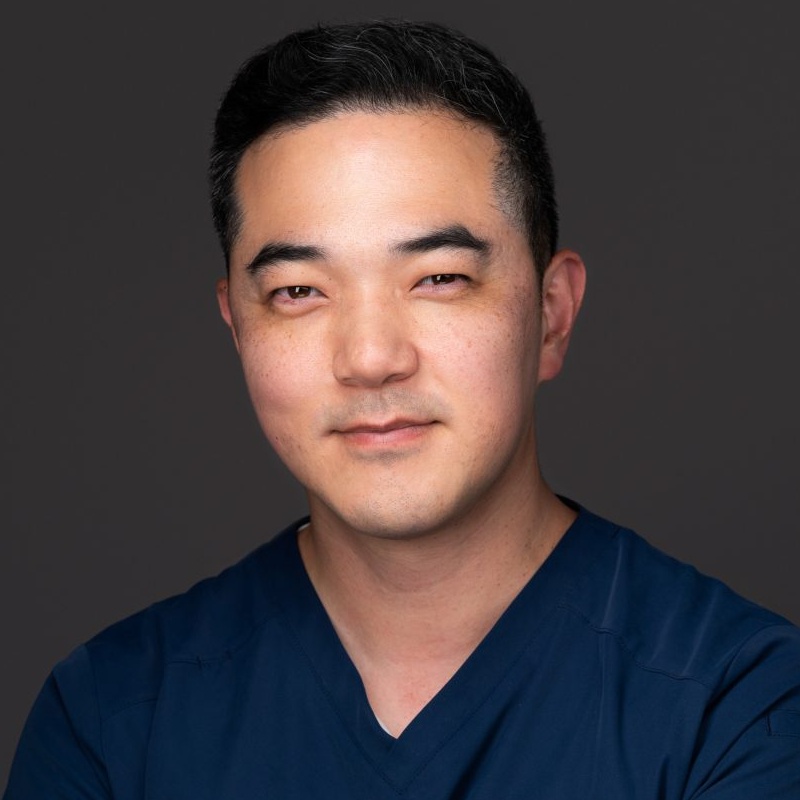
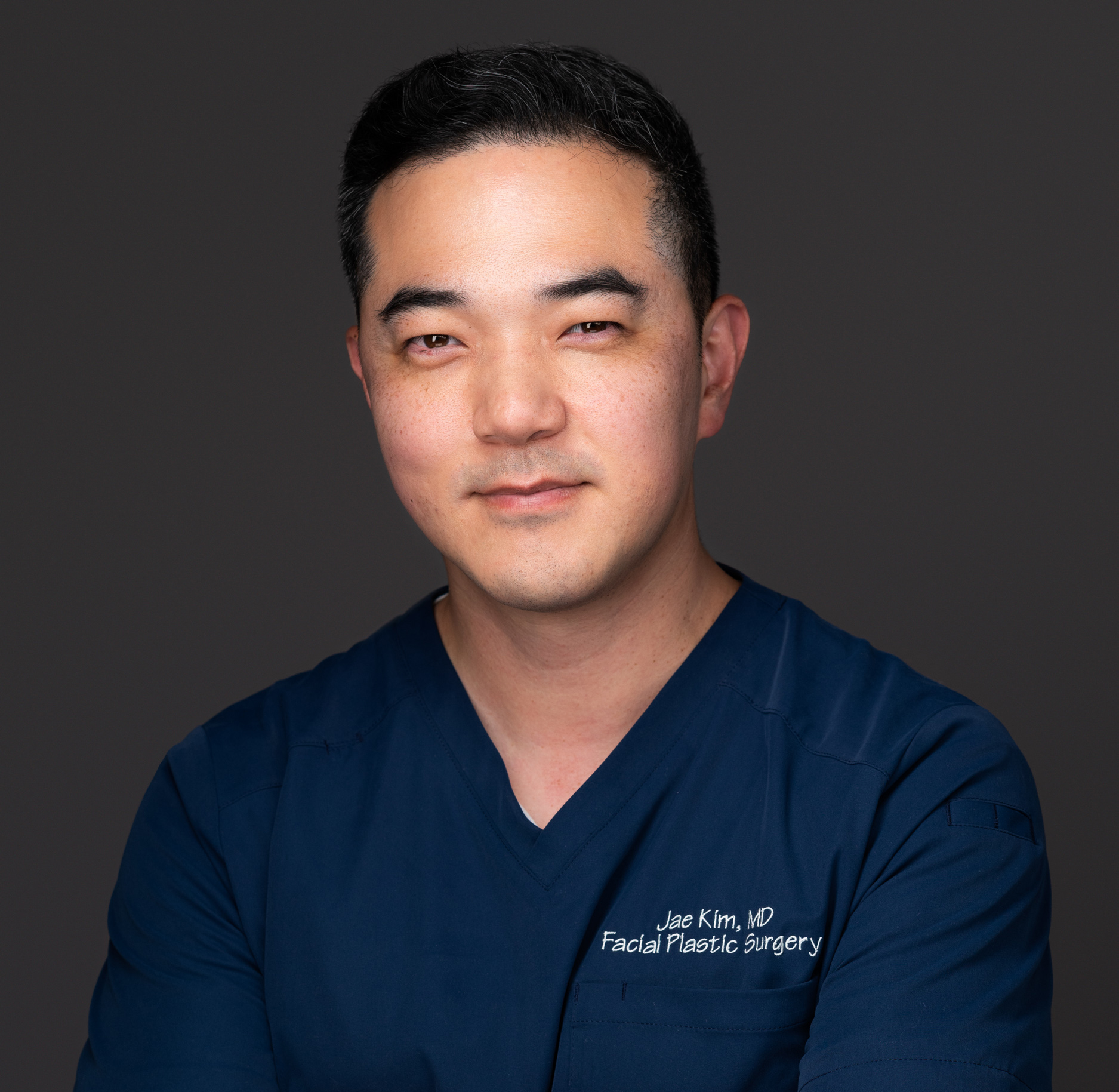
Dr. Jae Kim, MD
Dr. Jae Kim is double board-certified in Facial Plastic & Reconstructive Surgery and Otolaryngology–Head & Neck Surgery. Educated at Harvard University and fellowship-trained in advanced facial plastic surgery, he specializes exclusively in surgery of the face, head, and neck alongside the YAB Aesthetics clinical team in Fairfax, Virginia.